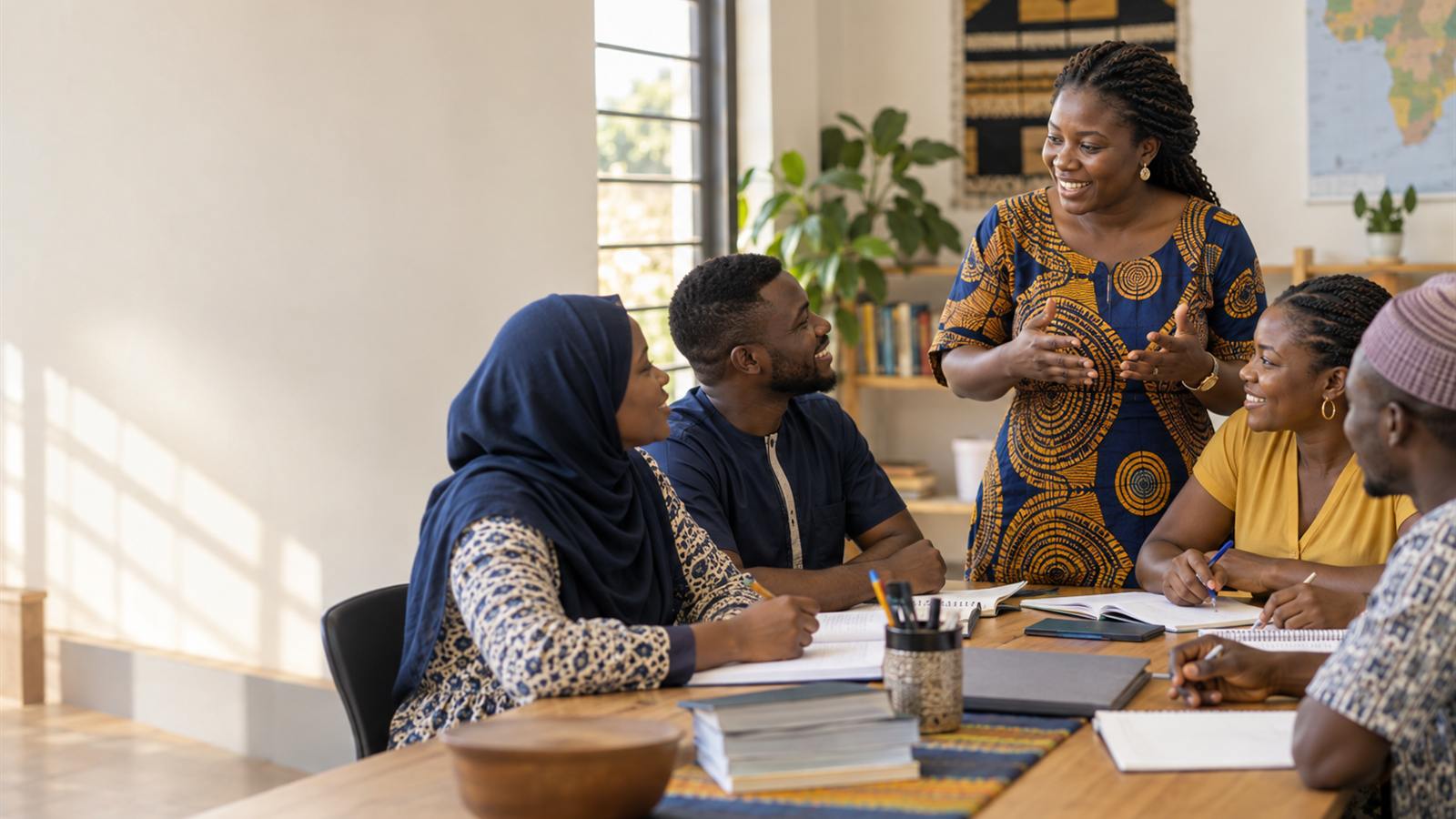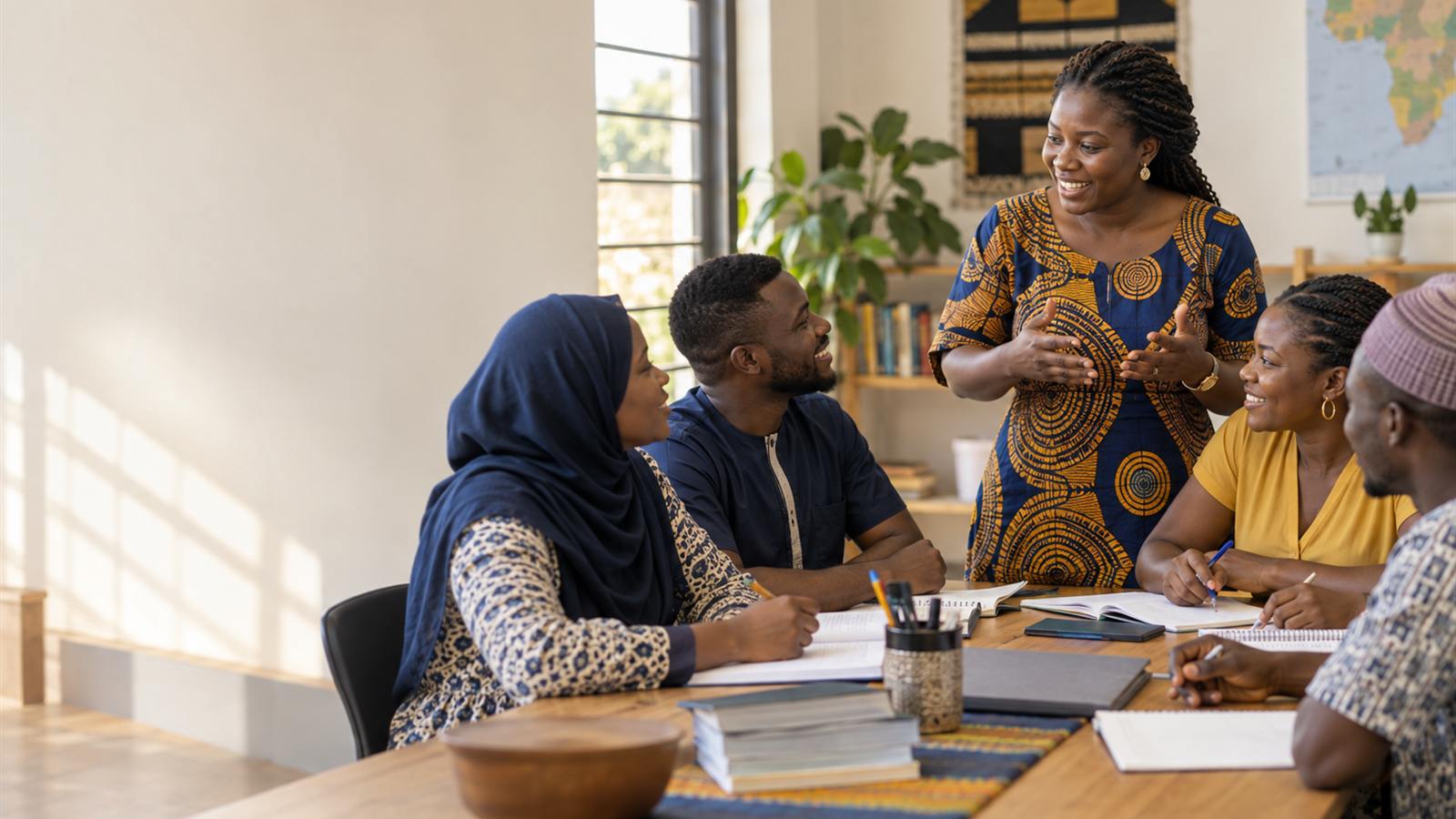
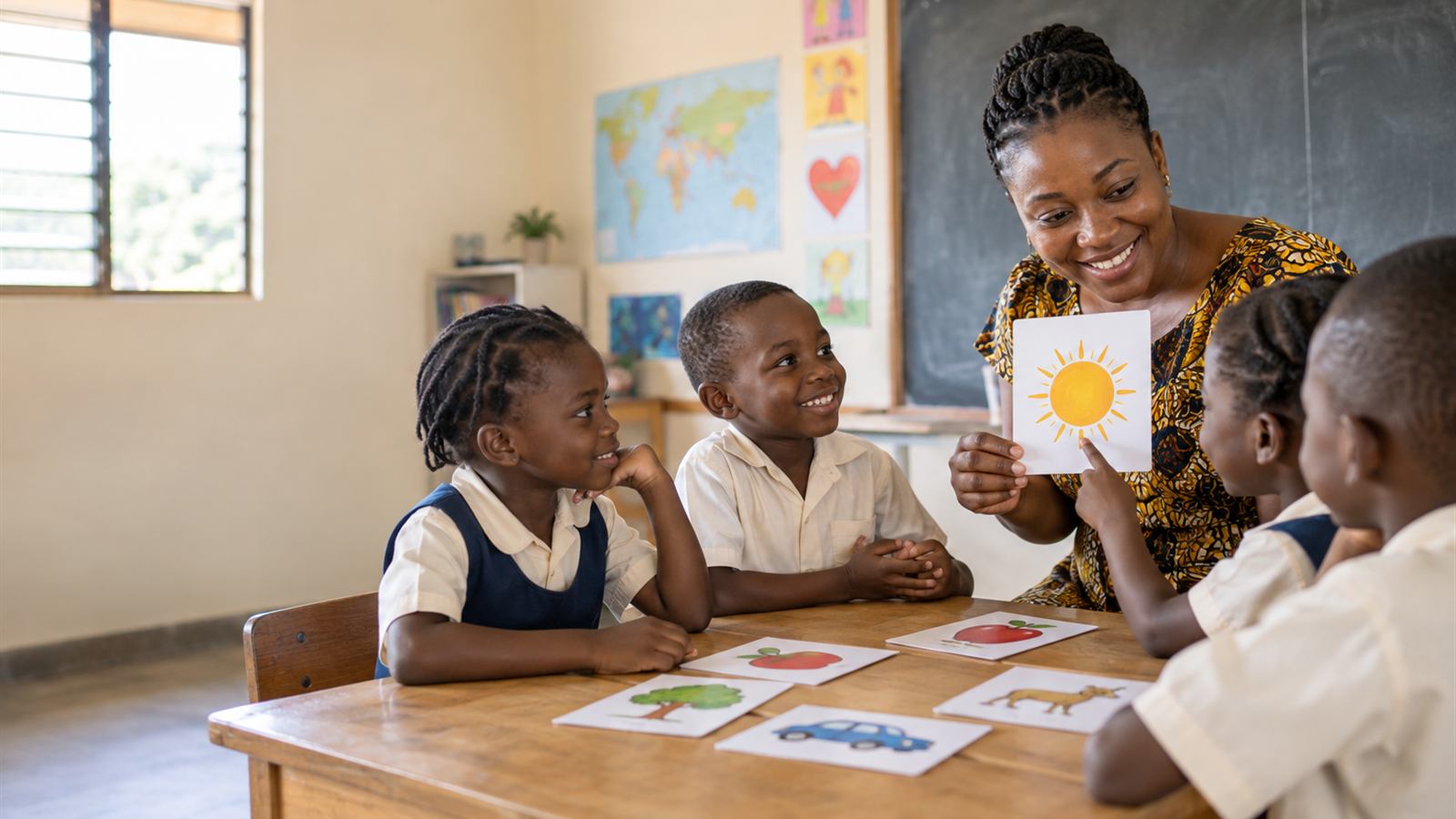
Ghana's classrooms are multilingual long before any policy says so. Children arrive speaking Twi, Ga, Ewe, Dagbani or Fante, and are asked within weeks to decode a script in a language they may barely hear outside school.
What the evidence actually says
Decades of research across West Africa point the same way: children who build early literacy in a familiar language transfer those skills to a second language faster than children taught only in the second language from day one.
The mechanism is not mysterious. Reading is two jobs at once — decoding symbols, and understanding meaning. A child reading in a language they already speak only has to learn the first job.
Where practice falls short
- Teachers are trained in English-medium methods and given English-medium materials.
- Assessment happens in English, so schools optimise for English.
- Parents, reasonably, read English fluency as proof the school is working.
What ALFI sees in the classroom
In our own language programmes the pattern repeats with adults. Learners who can articulate a concept in a first language acquire the second-language version of it in a fraction of the time.
The practical answer is not to choose one language over another. It is to sequence them deliberately, and to give teachers materials in both.